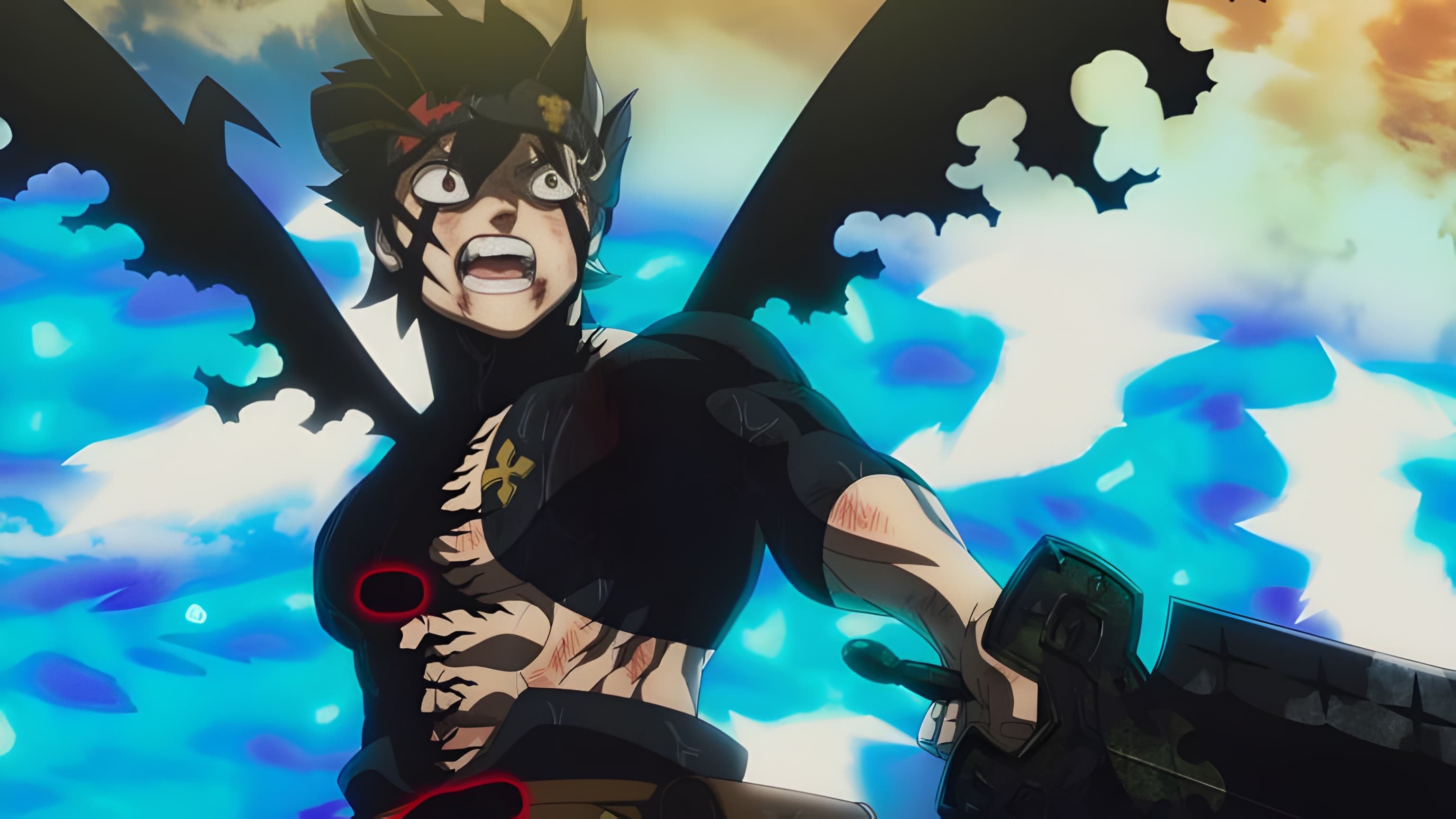
Black Clover New TV Anime Project Officially Announced With Teaser Visual
Black Clover New TV Anime Project Officially Announced With Teaser Visual
Category: Anime Industry News
Tags: Black Clover anime, Black Clover new season, Studio Pierrot, Weekly Shonen Jump, shonen anime 2026
Black Clover New TV Anime Project Officially Announced With Teaser Visual
Key Takeaways:
A new Black Clover TV anime project has been officially announced with a teaser visual.
The series returns after its 2021 TV finale and the 2023 film, signaling renewed franchise momentum.
Expectations are high for improved pacing, animation upgrades, and faithful adaptation of the manga’s final arcs.
The magic knights are preparing to assemble once more. After years of speculation following the TV anime’s conclusion, the Black Clover franchise has officially confirmed a brand-new television anime project—accompanied by a teaser visual that has reignited excitement across the global fanbase.
For a series that built its reputation on relentless energy and underdog determination, this announcement feels less like a surprise and more like destiny fulfilled.
Official Announcement: What We Know So Far
The new TV anime project for Black Clover was confirmed through official channels, alongside a teaser visual spotlighting Asta in a more mature, battle-ready stance. While the format—whether a continuation, seasonal reboot, or split-cour production—has yet to be clarified, the wording strongly implies a continuation rather than a remake.
The original TV anime aired from 2017 to 2021, running for 170 episodes. Produced by Studio Pierrot, the series adapted Yūki Tabata’s manga serialized in Weekly Shōnen Jump. Following the anime’s conclusion, the franchise expanded with the 2023 film, Black Clover: Sword of the Wizard King, which premiered globally on Netflix and demonstrated the property’s strong international demand.
The timing of this new project is particularly notable. The manga entered its final arc after transferring to Jump GIGA, signaling that the anime now has a substantial backlog of high-stakes material ready for adaptation.
Why This Announcement Matters
The original Black Clover anime had a complicated yet impressive run. Initially criticized for inconsistent animation and pacing—common issues for long-running weekly productions—it gradually improved in visual quality, particularly during major arcs like the Elf Reincarnation storyline and the Spade Kingdom invasion.
By the final stretch, Studio Pierrot delivered some of its strongest in-house action sequences, especially in Asta and Yuno’s climactic battles. The improvement was clear: sharper compositing, stronger key animation cuts, and more dynamic fight choreography.
This new TV project matters for three key reasons:
1. A Shift Toward Seasonal Quality?
The anime industry has moved decisively toward seasonal production models. Weekly, uninterrupted shonen runs—once standard for series like Naruto or Bleach—have become rare. If Black Clover returns in a seasonal format, it could benefit from:
Improved scheduling
Higher animation consistency
Stronger climactic fight execution
Reduced filler content
Studio Pierrot itself has evolved significantly, as evidenced by the high production values seen in the final arc of Bleach: Thousand-Year Blood War. If similar resources are allocated, Black Clover could reach new visual heights.
2. Manga Momentum Is at Its Peak
Tabata’s final saga raises the narrative stakes to unprecedented levels. The power scaling, lore expansion, and emotional weight far surpass early arcs. This is no longer just the story of a loud orphan chasing the Wizard King title—it’s a continent-wide battle against supreme devils and the truth behind the Clover Kingdom’s power structure.
Adapting this material faithfully could redefine how the franchise is remembered.
3. Global Audience Growth
The Netflix distribution of Sword of the Wizard King significantly boosted international visibility. Unlike in 2017, when Black Clover was one of many Jump adaptations, the franchise now carries established global recognition.
The new project is arriving at a time when overseas streaming revenue plays a crucial role in production decisions.
Comparing the New Project to Previous Seasons
The original 2017–2021 run followed a long-running weekly model similar to Naruto Shippuden and early Bleach. This approach created high episode counts but also led to pacing issues and occasional production strain.
In contrast, modern battle shonen hits like Demon Slayer: Kimetsu no Yaiba and Jujutsu Kaisen thrive under seasonal structures with concentrated animation resources.
If the new Black Clover anime adopts a similar model, it could finally compete visually with its contemporaries rather than relying primarily on narrative momentum and character chemistry.
Another key difference lies in tonal maturity. Early Black Clover leaned heavily into exaggerated comedy and Asta’s high-volume determination. Later arcs grew darker, morally complex, and politically layered. A new adaptation focusing exclusively on this final saga would naturally present a more refined tonal identity.
What Fans Can Expect From the New Adaptation
Without venturing into heavy spoilers, readers of the manga know the final arc introduces:
Higher-tier devil hierarchies
Expanded backstories for key captains
Power evolutions for Asta and Yuno
Massive, coordinated Magic Knight squad battles
Thematically, the story pivots from personal rivalry to legacy, destiny, and systemic corruption within the kingdom’s elite structure.
Asta’s anti-magic abilities evolve in both strategic and symbolic ways, reinforcing the series’ core theme: power isn’t inherited—it’s forged through willpower and discipline.
If adapted with cinematic direction and tighter pacing, several upcoming fights could rival the emotional weight of the series’ best moments. Fans should also expect more polished transformation sequences, expanded spell choreography, and possibly reorchestrated musical themes to elevate the climax.
The teaser visual itself hints at a more mature art direction. Character linework appears sharper, with darker shading suggesting a tonal shift consistent with the manga’s final chapters.
Industry Perspective: A Calculated Return
From an industry standpoint, this announcement reflects confidence. Reviving a long-running series after a multi-year break carries risk, but the timing aligns perfectly:
The manga is nearing completion.
Streaming platforms continue seeking established IP.
Nostalgia for late-2010s shonen is growing.
The move mirrors successful franchise revivals seen in other major properties, proving that legacy battle shonen titles still hold substantial market value when handled strategically.
Final Thoughts: The Magic Isn’t Over Yet
The announcement of a new Black Clover TV anime project isn’t just a continuation—it’s an opportunity. An opportunity to refine the production model, elevate the animation, and give Tabata’s final arc the adaptation it deserves.
For longtime viewers who stuck with Asta from his earliest missions to his devil-powered awakenings, this moment feels earned. For newer fans discovering the franchise through streaming, it’s the perfect time to join the Clover Kingdom’s ranks.
Now the question shifts to you:
Are you hoping for a seasonal high-budget adaptation, or would you prefer a long-running weekly comeback?
Let us know your expectations—and which upcoming fight you’re most excited to see animated.